Words by Louise Kunth
Curiosity is the real craft
-
INTRO
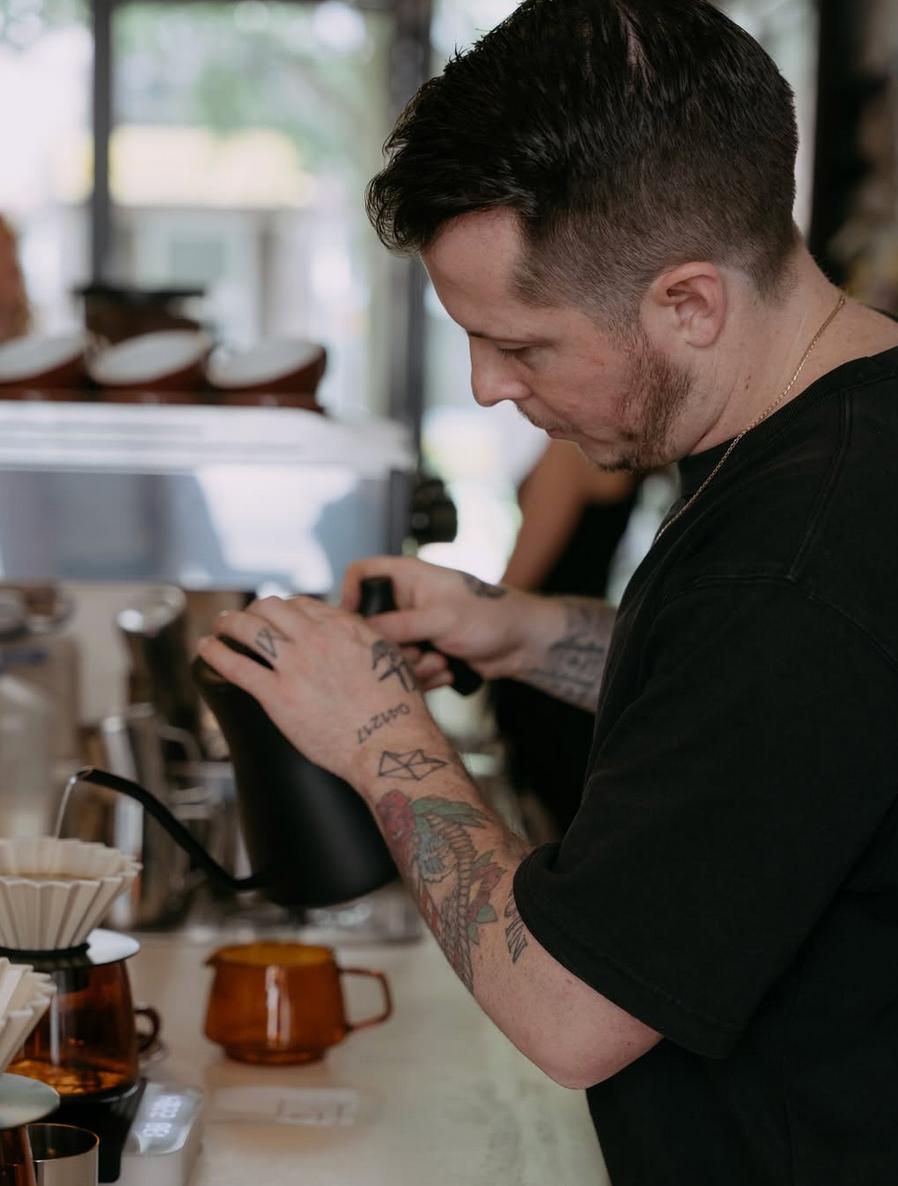
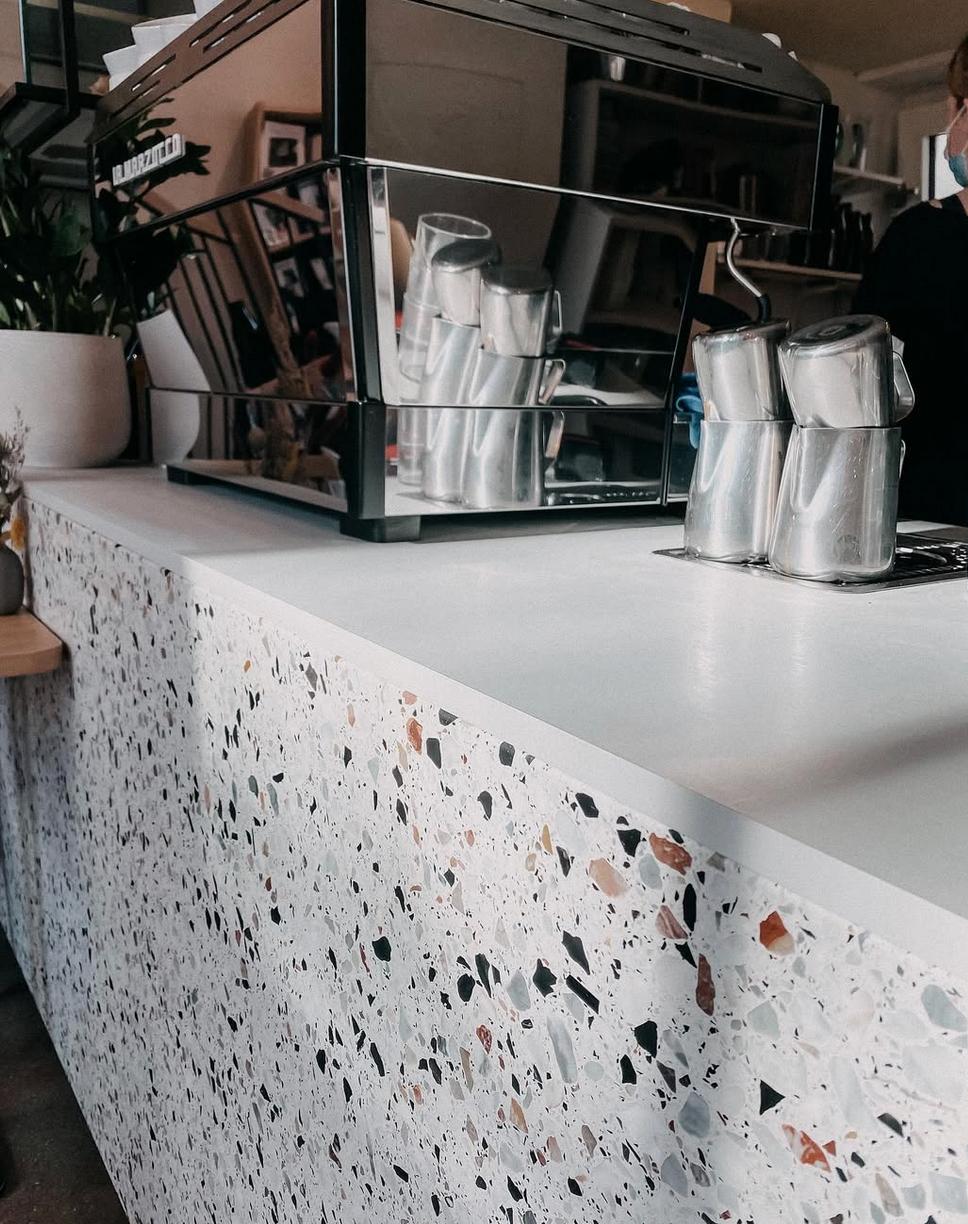
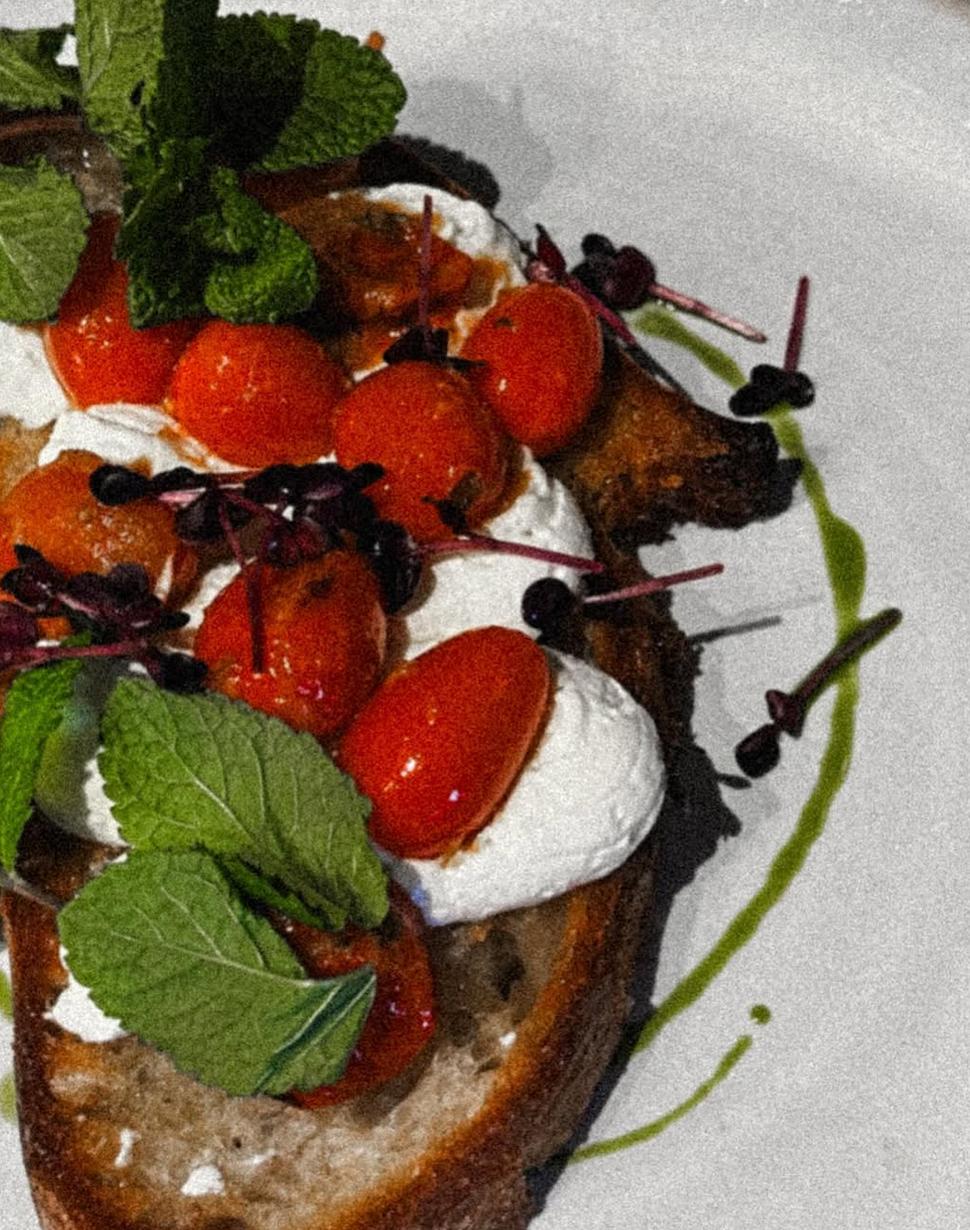
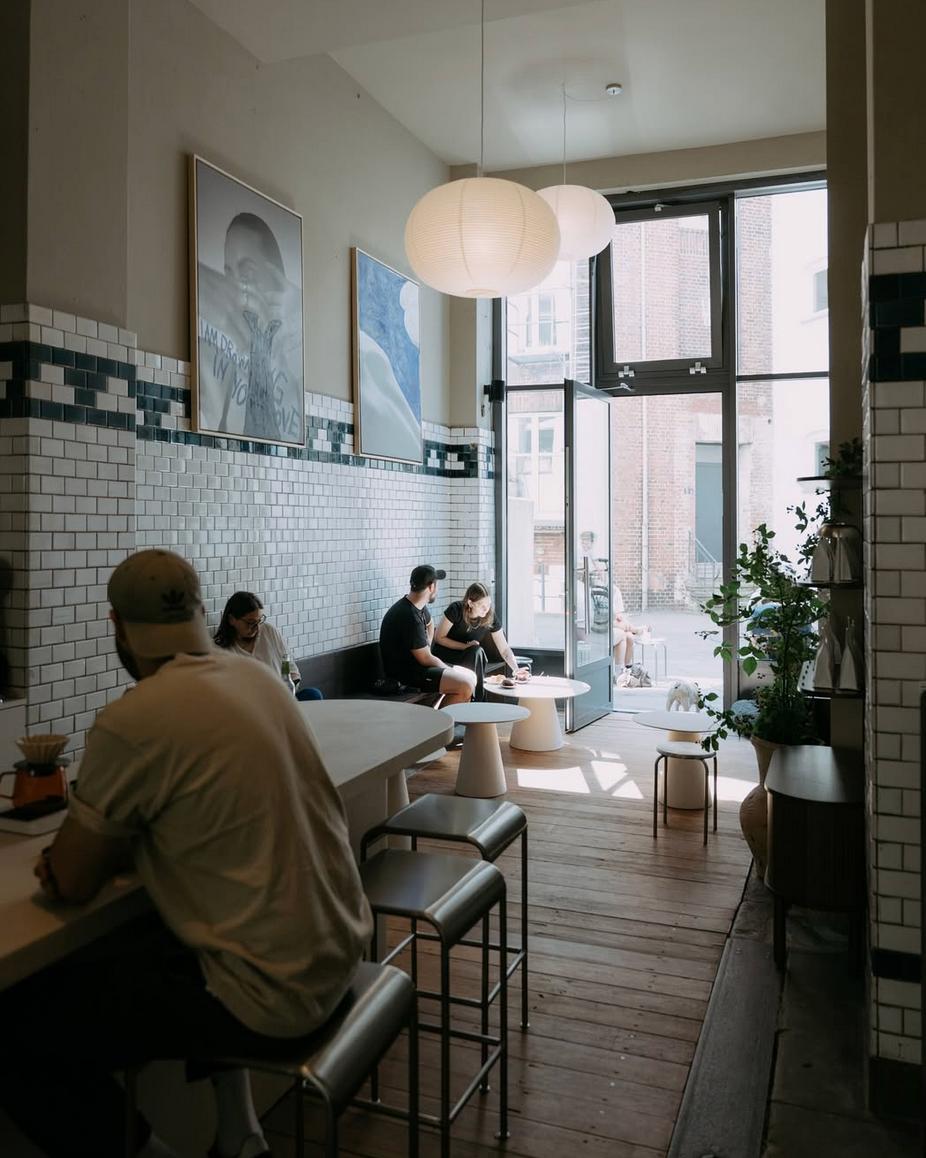
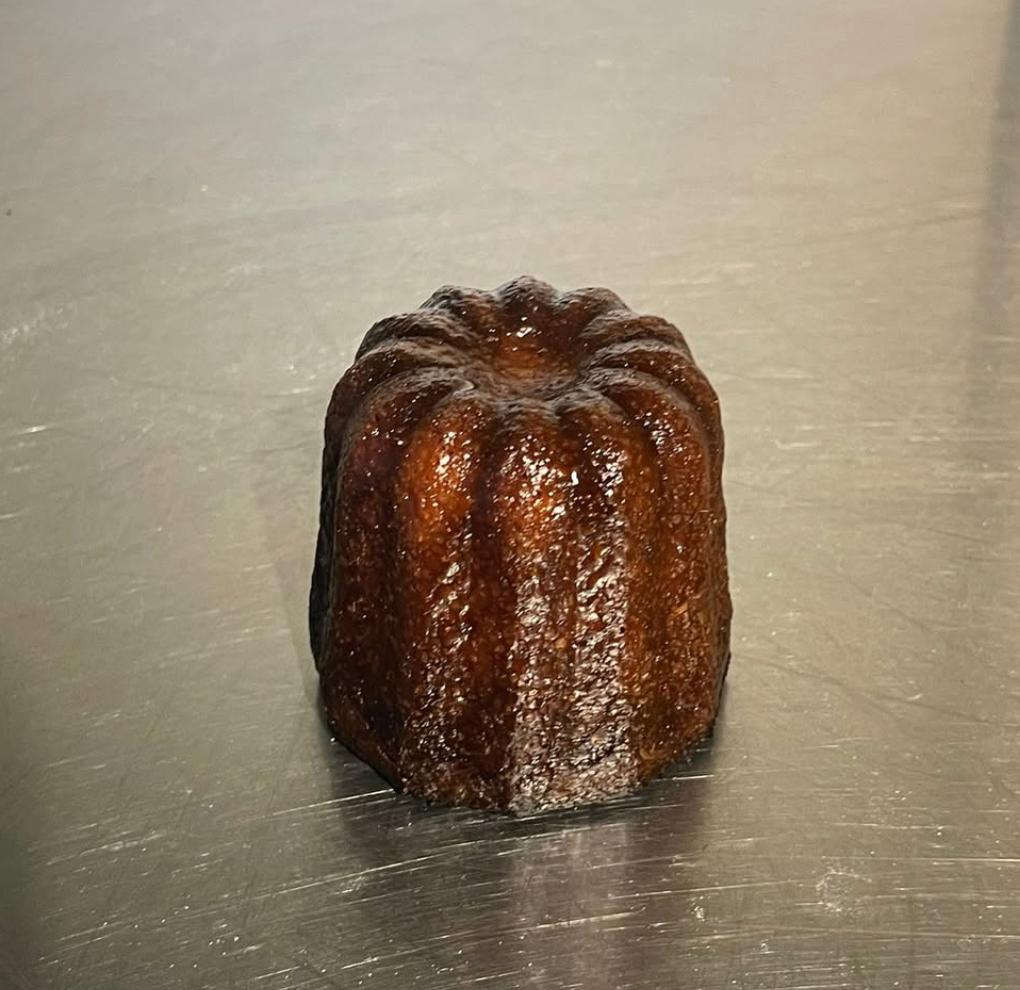
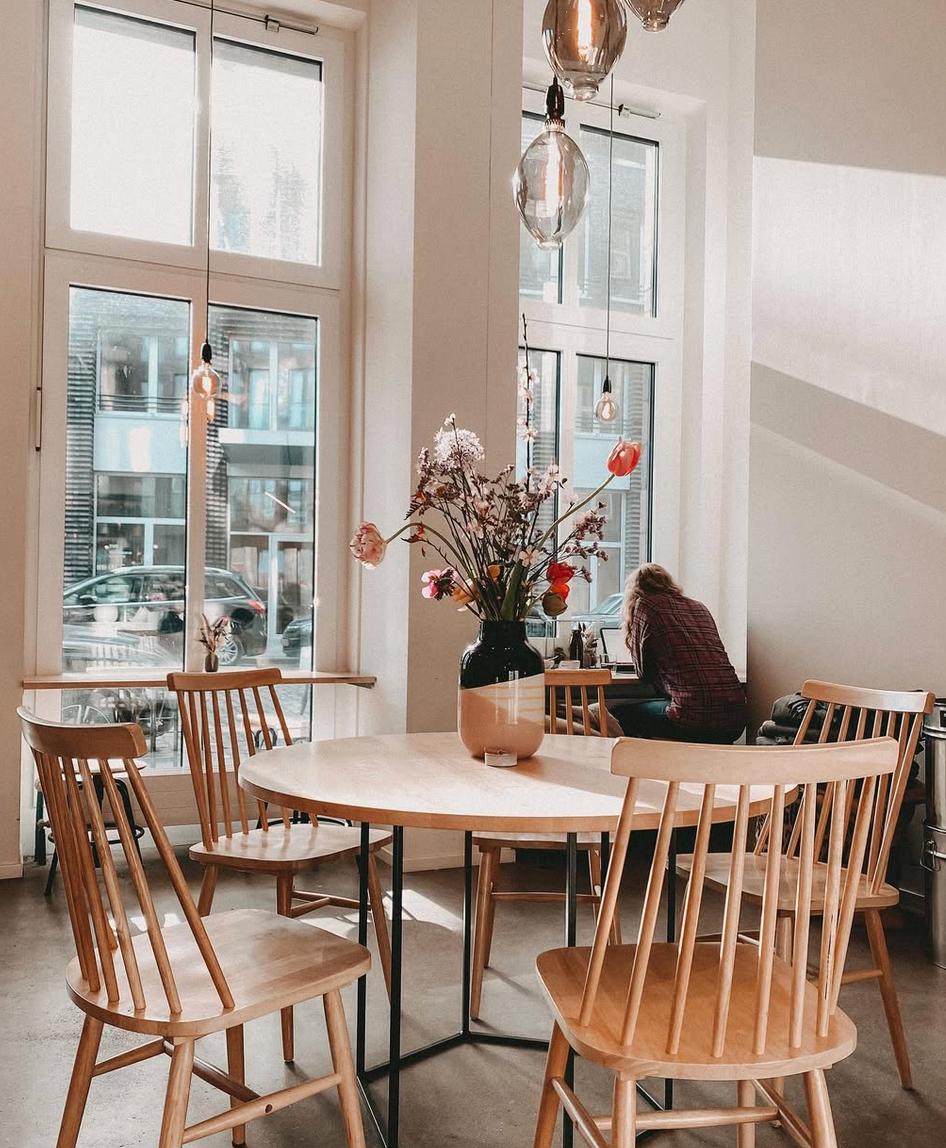
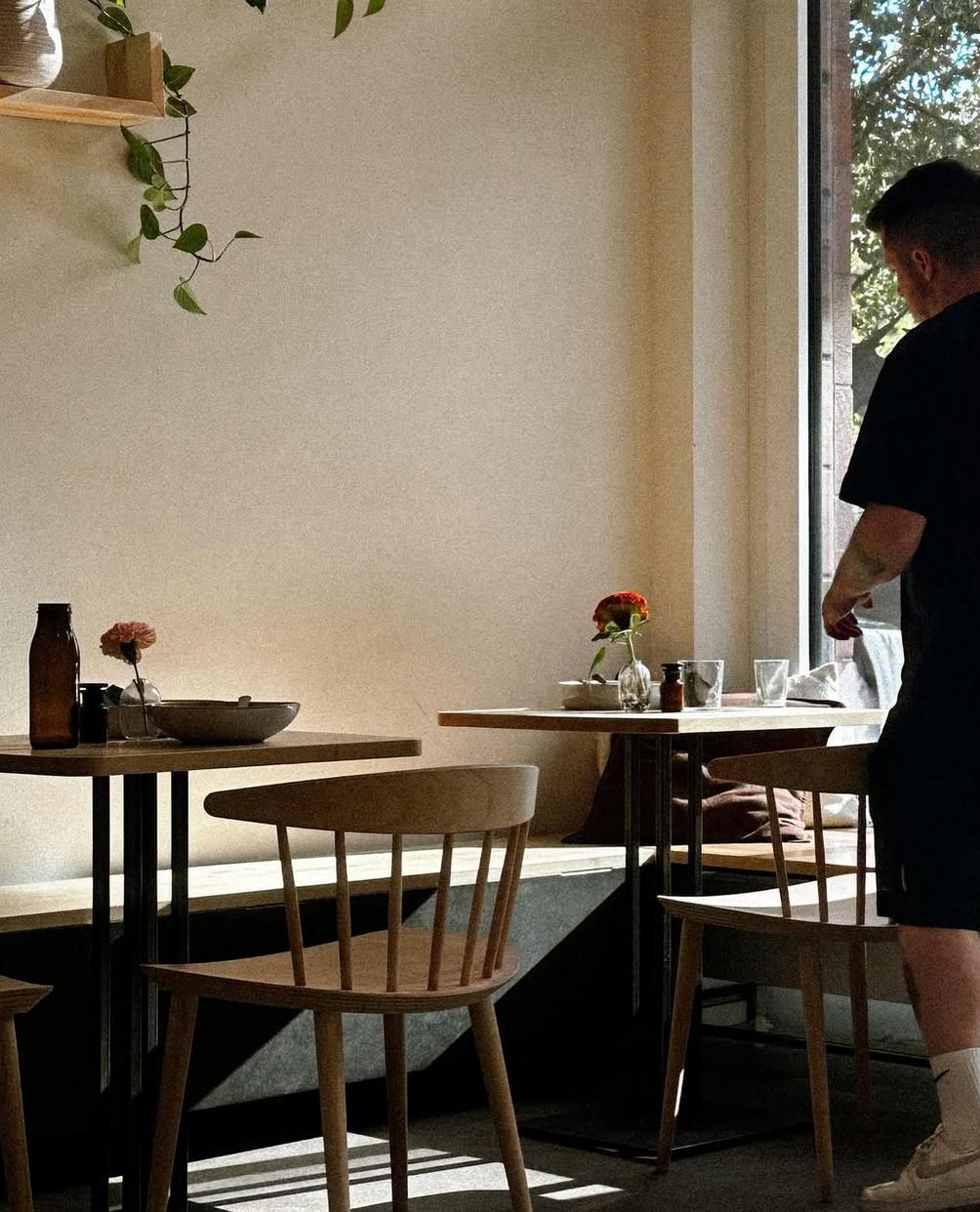
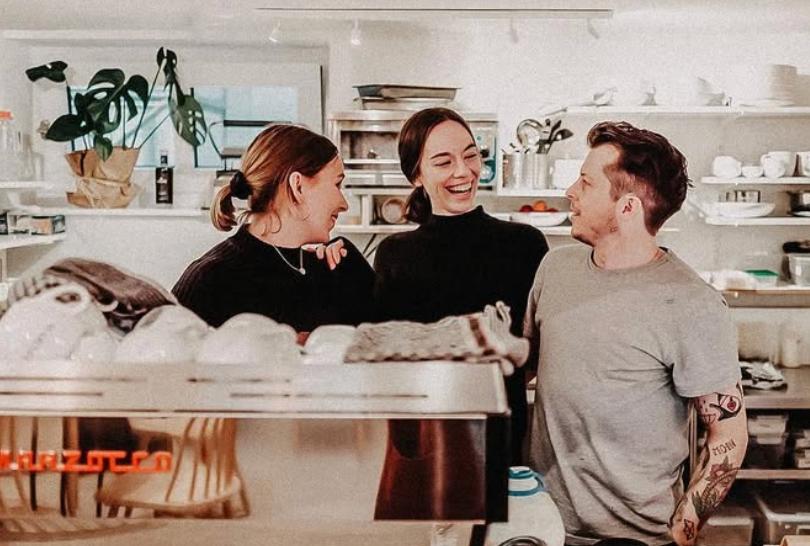
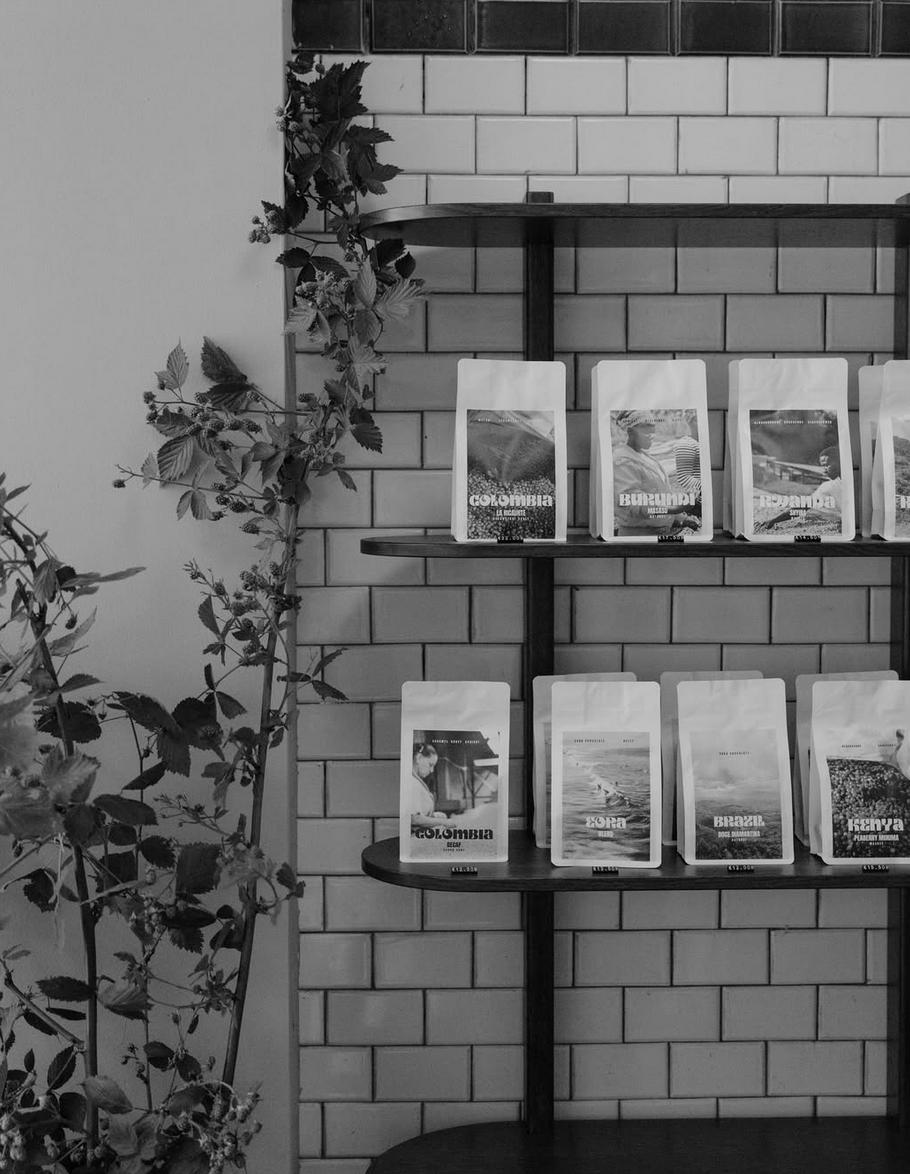
Marshall Street Coffee is a Hamburg-based roastery with two coffee shops built and run by Marie and Tristan Garrett. Their world is shaped by Tristan’s Australian roots and their years of hands-on experience across cafés in Sydney, Hamburg, and beyond. Their work is defined by strong producer relationships and a commitment to fresh, regional sourcing. Beside delicious coffe they offer pastries, cakes and and amazing australian brunch (only at the city location).
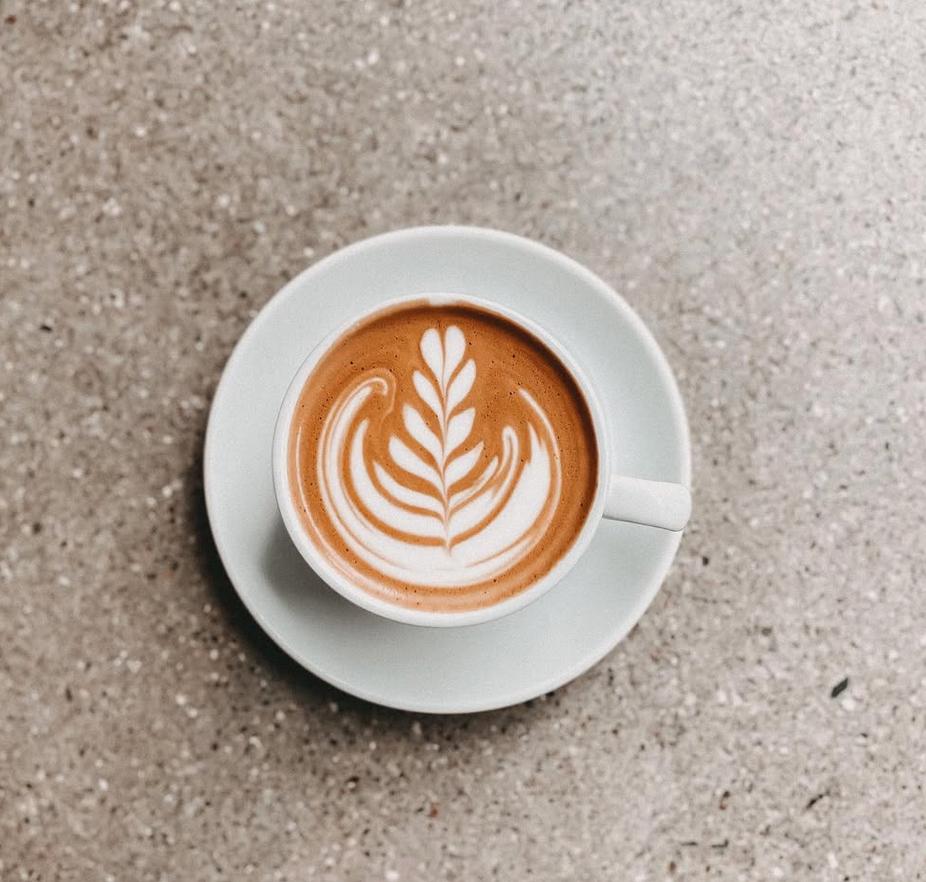
Since we sold our own coffee bar, I've started picking up my coffee (flat whites on my daily walks, beans for my filter brews at home) at Marshall Street. It quickly became my go-to – not only because it is the perfect walking distance for my daily routines, but because Marie and Tristan's coffee is extraordinarily good – for me one of the best. To deliver the perfect Flat White anytime is one thing, but to consistently roast beans that allow you to brew a perfect cup at home is another.
So naturally I was curious to learn more about the couple behind this family business. We did a little collabo together (check in my shop if there are still some bags left), and diving deeper into their approach to their work with my worldmaking story felt like the natural next step. So we sat down at their new store and they shared some insights with me.
All © Marshall Street.
-
My takeaways from Marshall turning curiosity into a disciplined daily practice.
-
-
-
-
Let preparation create its own momentum
Know when to wait — and when to move.
Long before Marshall existed, Tristan was already building it — without knowing that he was. He spent years noticing how good cafés worked: the flow behind the bar, the way conversations shaped a room, the small decisions that made service smoother or harder. He collected ideas the way other people collect recipes. And having worked every station himself he knew the whole system from the inside out.
Marie took all of this and slowly turned it into structure.A business plan grown from real experience, not from theory. Something built hand in hand with the work they had already done, rather than imagined from a distance.
So when the first café suddenly became available, the decision wasn’t a leap. It looked fast from the outside — apply, get the call, sign the lease — but it was actually the moment when years of quiet preparation finally met the right opening. The nerves were real, but the readiness was too: We’ve already done the groundwork. We now just have a place to put it!
And when the pandemic hit right after they opened, it didn’t shake their concept — it only tested their endurance. The timing was brutal, but the foundation held because it had been built slowly and with depth.
The second café five years later followed the same logic.Not expansion for the sake of growth, but a long period of waiting — watching spaces, studying neighborhoods, trusting that the right moment would make itself obvious. And when it did, they stepped in with the same calm certainty as before: not because it was easy, but because they had prepared for it for years.
Courage is about knowing when to hold still, and when to act.It’s about letting preparation do its quiet work — until the moment arrives that makes movement feel almost natural.
-
-
Consistency as architecture (Marshall’s vision of success)
Let your work hold its line — even on the small days.
The foundation of Marshall is not alone their specialty-label, but the discipline behind it.
Their measure of success isn’t about scale, it’s much smaller – and much harder: keeping the quality stable. Holding the line of work so clearly that it feels the same on a busy Saturday as it does on a slow Tuesday morning.Tristan came out of professional competitive running; he understood early that quality grows through repetition, structure, and doing the small things right every single day. Marie came from cultural studies, with a sharp sense for how reliability becomes part of a place’s identity — something guests feel without needing words.
That’s where their idea of consistency started and became their architecture for success.In the years at Public, Nordcoast and other cafés, Marie and Tristan kept noticing the same truth: when the workflow is clean, the equipment placed with intention, and the routine stable, everything else gets easier. The product improves. The team relaxes. The atmosphere becomes calm instead of chaotic. So when they built Marshall, they designed the cafés around that principle, to keep the quality steady. And because Tristan has worked every station himself (from roasting and brewing to baking, cooking, running service to managing the till) he knows the pressure points from the inside. Their system is built from lived experience, not from theory.
Consistency is mostly invisible. It’s not the part guests notice, but the part they feel.It’s the reason the first coffee of the morning tastes like the one you order in the late afternoon. The reason the mood in the room doesn’t shift with whoever is working the shift. And the reason people come back. So you can say: consistency is care. Like a promise: You can trust this. And thats a beautiful measurement for success.
-
-
Treat every cup as a new world
There wasn’t a single “wow” coffee or moment that pulled Tristan into coffe – it was the realization that every coffee behaves differently. Tristan learned this first in Sydney (where he grew up), while roasting specialty beans. Marie understood it at Public and Nordcoast: that the taste of coffee isn’t stable like other fruits for example. It shifts. It refuses to repeat itself. One harvest becomes sweet, the next becomes sharp. A natural process can burn within seconds if you don’t pay full attention.
They both noticed: coffee is a living process, not a fixed product. It moves. It surprises. It asks you to respond.
Roasting taught them that you can influence so much — the airflow, the timing, the development — and still, the bean has its own logic. Every roast can become a small negotiation: what does this coffee need today?
And then comes the second negotiation: What will people do with it at home? Tristan roasts with those small mistakes in mind — a grind that’s slightly off, a pour that’s a bit too quick. He shapes the profile so the cup still holds together, the sweetness and body survive the variables. I think this is a quiet form of generosity: anticipating the slip-ups, and roasting so they matter less.Roasting teaches them to get close to the details: how it smells in the cooling tray, how the sweetness appears at the start of the sip, how the acidity sits in the middle, how the body lands at the end.
For Tristan this search never stops. There is no final version. No “we’ve nailed it.” Just the ongoing question: What else is possible here, with this coffee?
-
-
-
Quality hospitality is fragile work
Behind every cup sits a chain of decisions that most people never see: the cost of good ingredients, the labor behind clean workflows, responsible sourcing, and keeping standards high when margins stay low. It’s the invisible architecture of hospitality — the part that rarely gets recognized.
One of the hardest truths Marie and Tristan shared with me is something I can back 100% — not only from my own experience running a coffee shop, but also from countless conversations with other small hospitality businesses: how often they still have to justify their prices. How quickly people assume a café is “making a fortune“, without understanding how thin the margins are in this world. Good products, fair wages, fresh and regional sourcing, small farms, travel to origin — none of that is cheap. Add years of inflation, rising costs, and the long tail of the pandemic, and the gap between perception and reality gets wider.
Everyday hospitality is not a goldmine; it’s a commitment. A cultural role. Marie and Tristan contribute a piece of urban life that holds neighbourhoods together. They add something essential to the shape of the city. Cafés are where streets wake up, where people meet, where routines take shape. And yet it’s a sector that is undervalued more than ever. That dissonance between the care they put in and the assumptions they (and a lot of other small hospitality businesses) often face is huge.
Good hospitality has a built-in fragility: most of the work that makes it good stays unseen. And what remains unseen is easy to underestimate — especially in a field where margins are already thin. When guests don’t see the cost of careful sourcing, fair wages, or disciplined workflows, they struggle to understand the price that reflects this.
Marshall works inside this tension. They focus on the craft, keep their standards steady, and let the experience speak for itself. Let this be a small reminder to pay attention, to value the work behind what seems simple, and to support the places that choose quality over ease. There are still some of them left in our cities.
-
-
-
-
-
-
-
-